Selling a property in the North East is not just about getting on Rightmove and waiting. The condition and presentation of a home directly affects the sale price you achieve, the speed at which it sells, and whether a buyer's survey throws up issues that give a buyer leverage to renegotiate. Most homeowners either overspend on improvements that don't move the needle, or underspend on basic fixes that leave a property looking tired and give buyers reasons to offer less. The goal is not to renovate for renovation's sake — it's to remove the objections a buyer or their surveyor is likely to raise, and present the property at its best within a sensible budget.
First impressions and kerb appeal
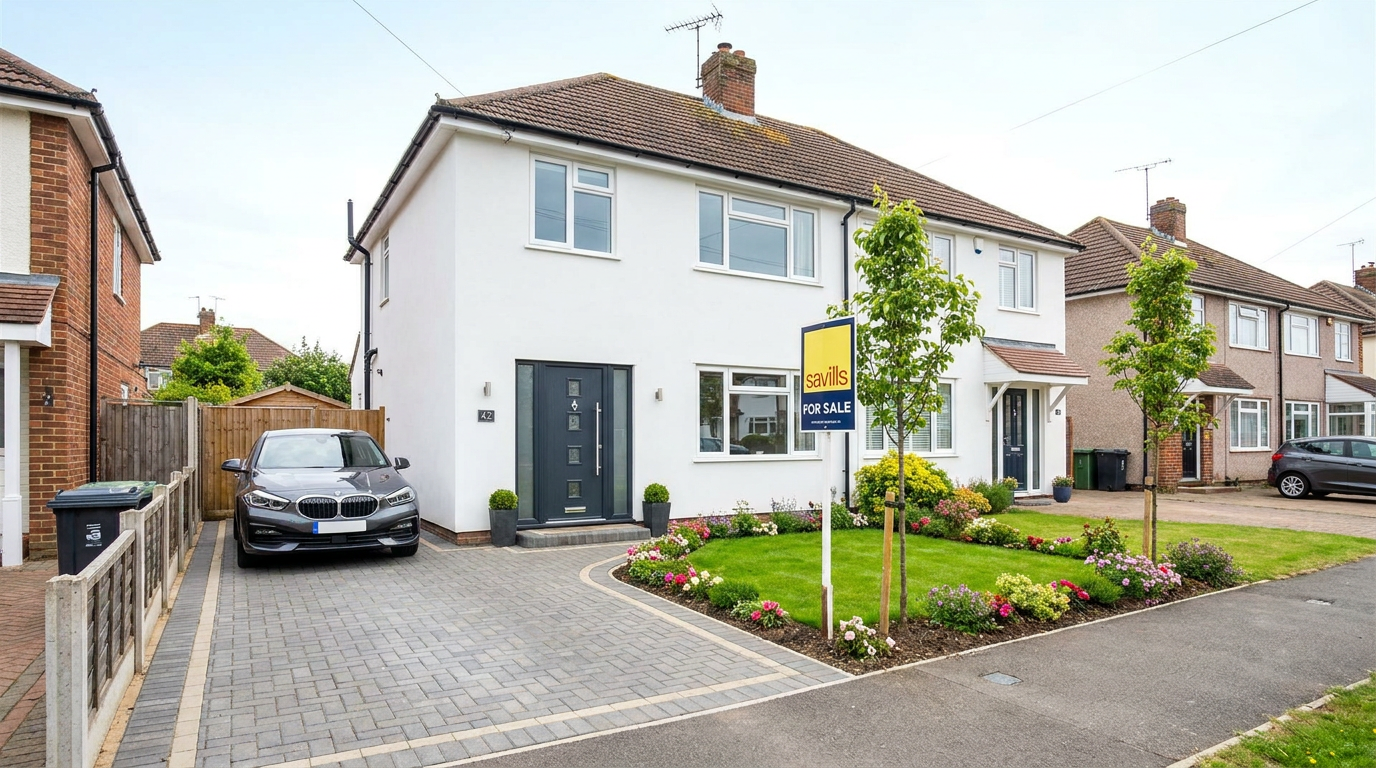
Buyers form an opinion about a property before they walk through the front door. The exterior, the front garden, and the entrance set the tone for everything that follows. Poor kerb appeal makes buyers more critical of everything they see inside.
- Front door — a tired, peeling, or dated front door is one of the most cost-effective things to fix. Repainting costs very little; replacing with a composite door costs £600–£1,200 and gives the front of the property a genuinely premium feel.
- External render — cracked, stained or mouldy render signals poor maintenance and puts buyers off immediately. A clean, newly rendered exterior adds significantly to perceived value. On older North East properties with aging pebbledash, rendering properly is a worthwhile investment before sale.
- Windows and doors — failed window seals (the foggy glass effect), rotten timber frames and draught-prone doors will be flagged on a survey. Addressing these before going on the market removes a negotiation point.
- Gutters and downpipes — blocked or broken guttering causes damp staining on external walls and signals poor maintenance. Clearing, repairing or replacing gutters is low cost and removes a visible red flag.
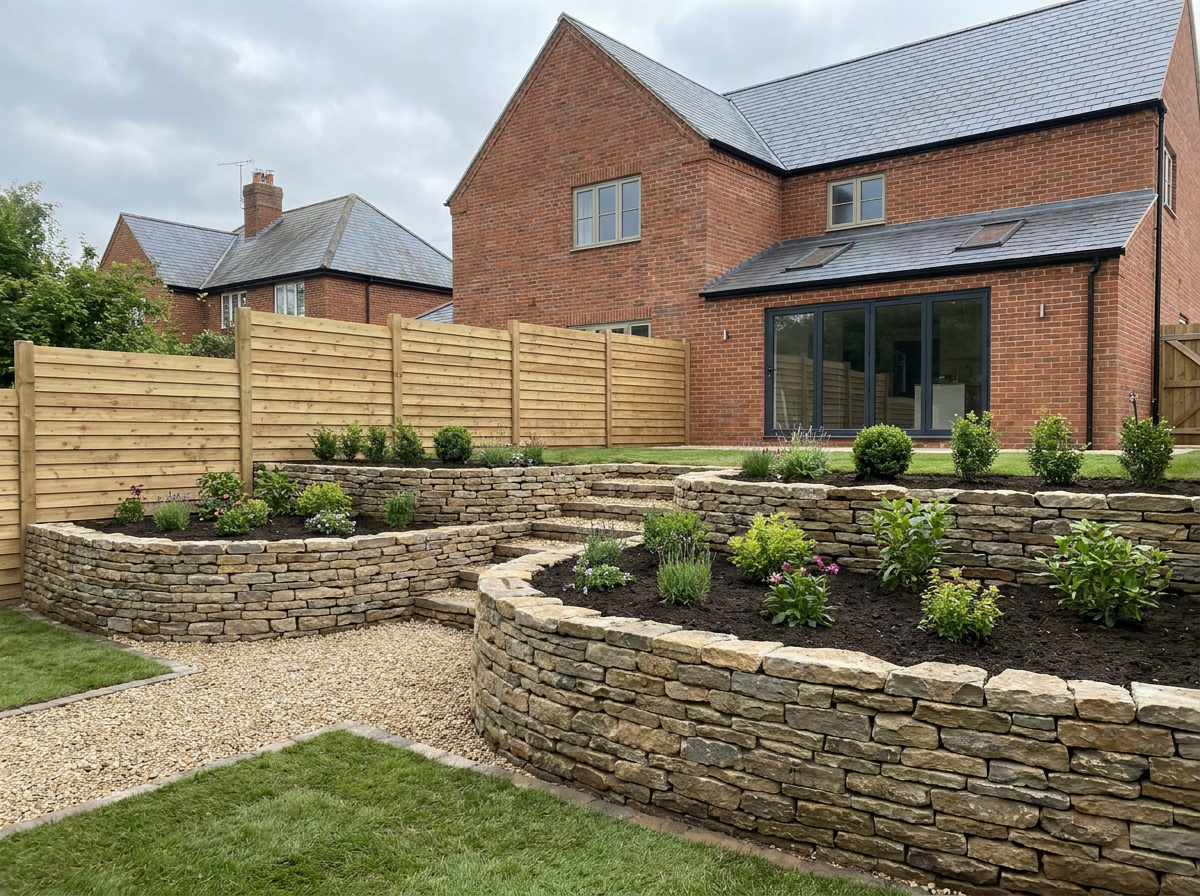
- Driveway and front garden — a cracked concrete driveway or overgrown front garden immediately reduces perceived value. Block paving or a simple clean gravel driveway, tidy planting, and clear boundary treatments change the feel of the property significantly.
In the North East property market, the exterior condition of a property — particularly render, windows and the driveway — is one of the first things buyers comment on and one of the first things surveyors note. Addressing visible external defects before listing removes the most common reasons for lower offers.
Kitchen and bathroom — the rooms buyers look at hardest
Kitchens and bathrooms sell houses. They are the two rooms most buyers make up their minds about quickest, and the two rooms most likely to either add value or give buyers a reason to negotiate down.
- Kitchen — you do not need a full kitchen renovation to present a kitchen well. New door fronts and handles, a replacement worktop, fresh silicone and grout, and a coat of paint can transform the feel of a kitchen for £800–£2,500. A full kitchen replacement is only worth the investment if the existing kitchen is genuinely beyond refresh.
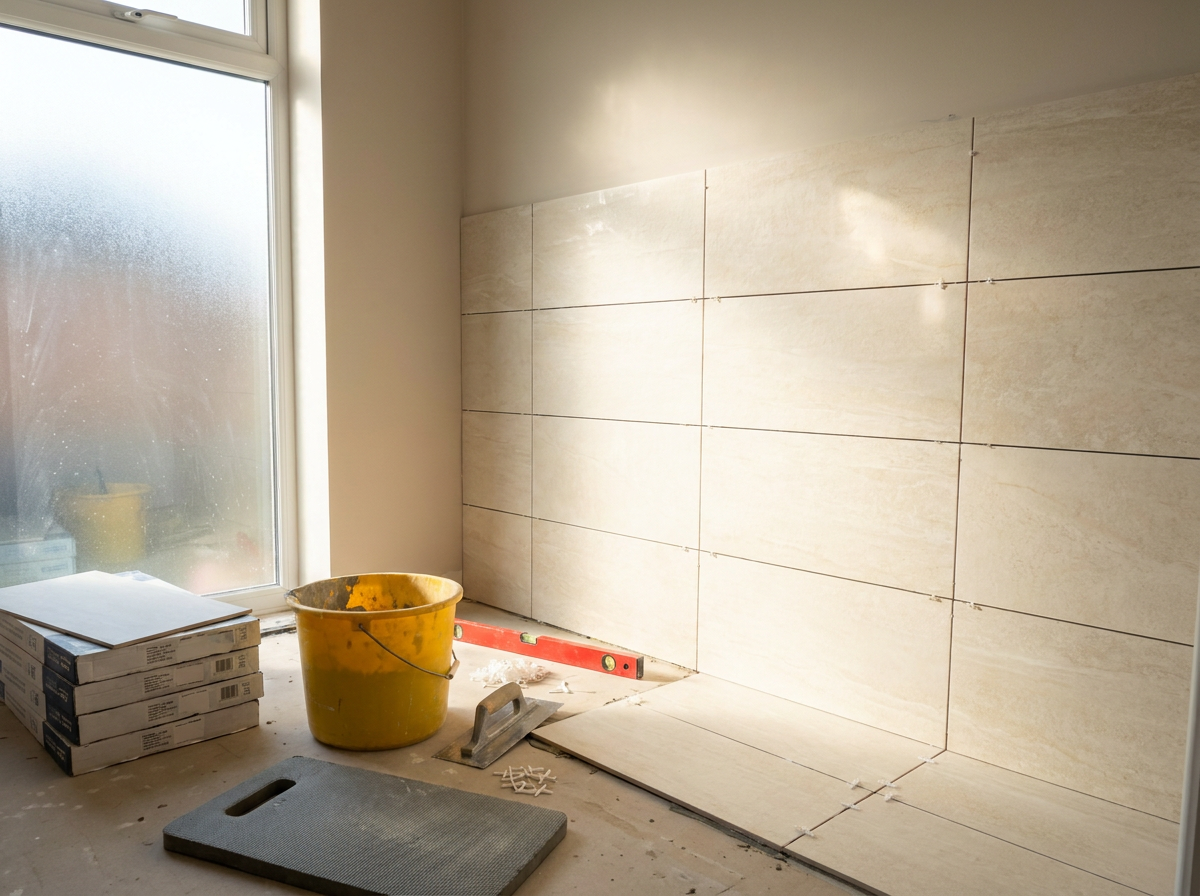
- Bathroom — a dated bathroom with grubby grout, poor silicone, a cracked bath panel and limescale-covered fittings puts buyers off. A bathroom refresh — regrouting, resealing, replacement of any visibly marked sanitary ware, and a fresh coat of paint — costs £500–£1,500 and makes a significant difference.
- Full bathroom renovation — if the bathroom is genuinely outdated (avocado suite, very early 2000s or older), a clean, simple modern bathroom renovation (£3,000–£6,500) will typically return more than its cost in a stronger sale price or faster sale.
- En suite — properties in the North East that have an en suite or have space to add one command a premium over comparable properties that don't. If the master bedroom has room, this is worth considering.
Structural and building condition — what surveys flag
A buyer's survey is where hidden problems become visible — and where buyers find reasons to renegotiate. Surveys on North East properties commonly flag the following issues. Addressing them before going to market removes their negotiating power.
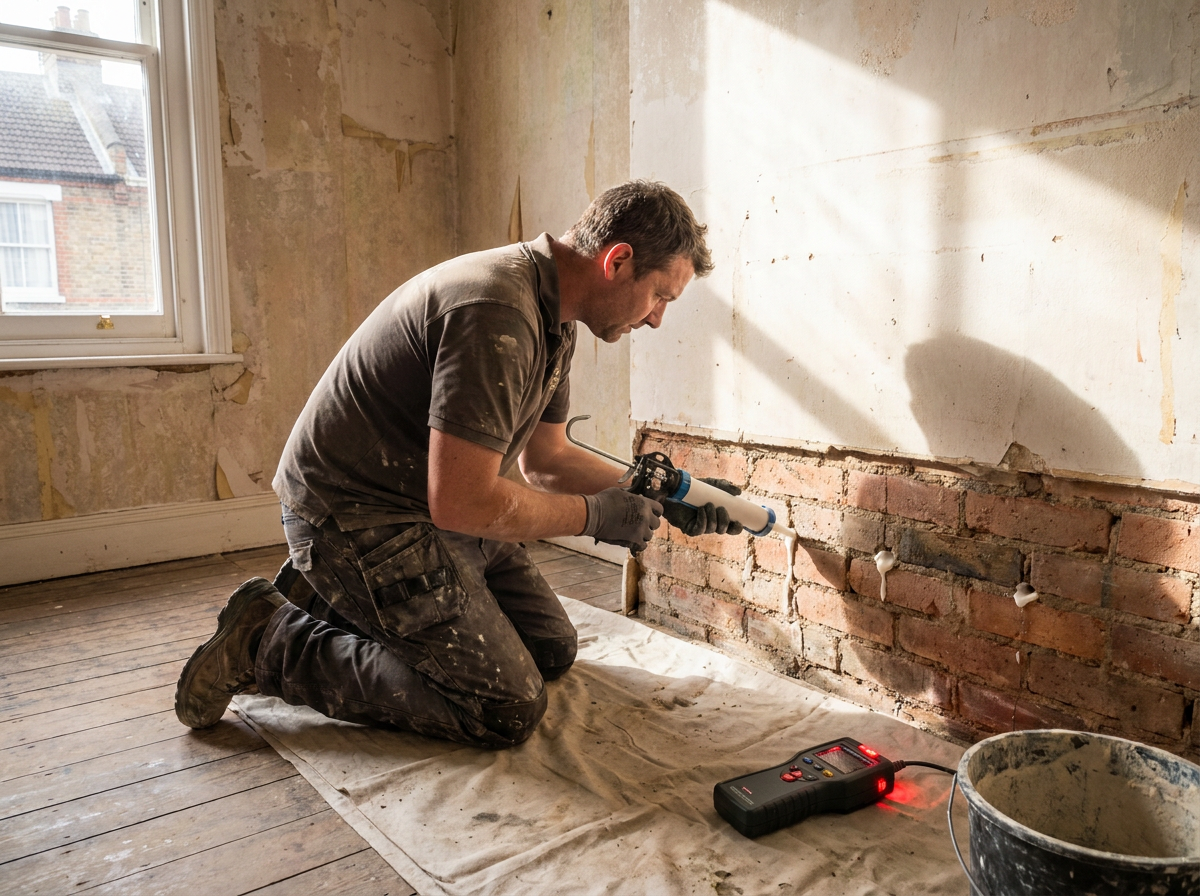
- Damp — rising damp, penetrating damp, and condensation mould are some of the most common survey findings in older North East housing. Identifying and fixing the cause before marketing is always better than having a surveyor flag it.
- Roof condition — cracked ridge tiles, slipped slates, missing mortar and damaged flashing are all flagged on surveys. A roof inspection before sale, and repair of any issues found, costs far less than the negotiating leverage a buyer gains from a surveyor's note about the roof.
- Gutters and drainage — blocked or broken guttering causes damp and is always noted by surveyors. Easy and cheap to address before a survey is instructed.
- RSJ and structural alterations — if any wall removal or structural work was carried out without Building Regulations sign-off, this will surface at the solicitor stage and can delay or derail a sale. Retrospective Building Control sign-off, where possible, resolves this.
- Electrical installation — an outdated consumer unit (fuse box with rewirable fuses rather than modern MCBs) is consistently flagged. A consumer unit upgrade costs £400–£800 and removes a common survey observation.
- Boiler and heating — a boiler more than 15 years old, or one with no service history, is a negotiation point. A recent boiler service with a gas safe certificate is inexpensive and removes an objection.
A pre-sale survey or builder's inspection is a worthwhile investment before going to market. Knowing what will be flagged before a buyer's surveyor finds it gives you the choice of fixing it properly rather than responding to a reduced offer.
Decoration and presentation — high impact, low cost
Fresh decoration has the highest return on investment of any pre-sale work. It costs relatively little, can be done quickly, and immediately changes a buyer's perception of a property.
- Neutral redecoration — bold or heavily personalised colour choices narrow a property's appeal. Repainting in neutral tones (warm whites, light greys, pale taupes) allows buyers to picture themselves in the space. A full repaint of a 3-bed property costs £800–£2,000.
- Flooring — worn carpets are one of the most common buyer objections. Replacing carpets throughout a 3-bed property costs £800–£1,600 and transforms the feel of every room. If budget is limited, prioritise the hallway, stairs and landing — the route every viewer walks.
- Plastering — walls with significant cracking, bulging or patchy plaster create an impression of poor maintenance. Targeted skimming of problem areas, rather than a full replaster, often achieves the desired result at lower cost.
- Lighting — good lighting makes rooms feel larger and more welcoming. Replacing dated fittings with clean, modern equivalents costs very little and makes a disproportionate difference in photographs and viewings.
What not to spend money on before selling
Not every renovation adds value before a sale. Some improvements make no difference to the sale price; others actively cost more than they return.
- High-specification kitchens — buyers of most North East properties are not expecting a bespoke German kitchen. Spending £15,000+ on a new kitchen in a property that will sell for £180,000 will not return the investment.
- Extensions — a well-executed extension adds value, but the return on investment compared with a correctly priced sale of the existing property is rarely positive when you factor in disruption and cost.
- Full bathroom renovation in a property that already has a functional bathroom — a refresh is almost always a better use of money than a full renovation unless the existing bathroom is genuinely dilapidated.
- Personal taste items — a new home cinema room, a bar area, or a heavily designed garden room appeal to a narrow audience and won't broaden your buyer pool.
- Repainting the exterior in a non-standard colour — a bold coloured render or unusual front door colour might suit your taste but will put off buyers who expect something more conventional.
How to prioritise if your budget is limited
If you can't address everything before sale, prioritise in this order: fix defects that will appear on surveys first, then kerb appeal, then kitchen and bathroom refresh, then decoration and flooring.
- 1. Structural and building defects — damp, roof issues, guttering, electrical panel. These are the items that give buyers the most leverage and delay or derail sales.
- 2. Kerb appeal — front door, external condition, driveway, front garden. This is what sets expectations before anyone walks in.
- 3. Kitchen and bathroom refresh — not necessarily full renovation, but cleaned up, resealed and well-presented.
- 4. Decoration and flooring — neutral paint and fresh carpets in the key rooms.
A targeted pre-sale renovation with a clear scope and a fixed budget will almost always deliver a better outcome than a reactive approach of fixing issues as buyers find them. Once a buyer is in the position to negotiate on survey findings, the dynamic shifts away from the seller.
Thinking about selling in the North East?
Whether you need a straightforward pre-sale refresh or more significant renovation work to get a property ready for market, a proper assessment of what needs doing — and what will actually add value — is the right place to start. We carry out pre-sale renovation work across Newcastle, Durham, Sunderland and the wider North East: everything from plastering and decoration through to bathroom renovations, kitchen refreshes, external rendering and groundworks. All work is scoped in writing and priced before it starts. Get in touch to arrange a free site visit — we'll give you an honest view of what's worth doing and a fixed price before any work begins.