Rental properties in the North East don't maintain themselves. Whether you own a single terraced house in Sunderland or a portfolio of flats across Newcastle and Durham, staying on top of maintenance is what separates a well-performing investment from a money pit. The combination of older housing stock, a damp climate, and the wear that comes with tenancies means issues build up faster than most landlords expect — and deferred maintenance almost always costs more when it's finally addressed. This guide covers what you're legally required to maintain, what the most common jobs cost, and how to budget realistically for a North East rental property.
What landlords are legally required to maintain
Landlord obligations in England cover a range of structural, mechanical, and safety-related maintenance. These aren't optional.
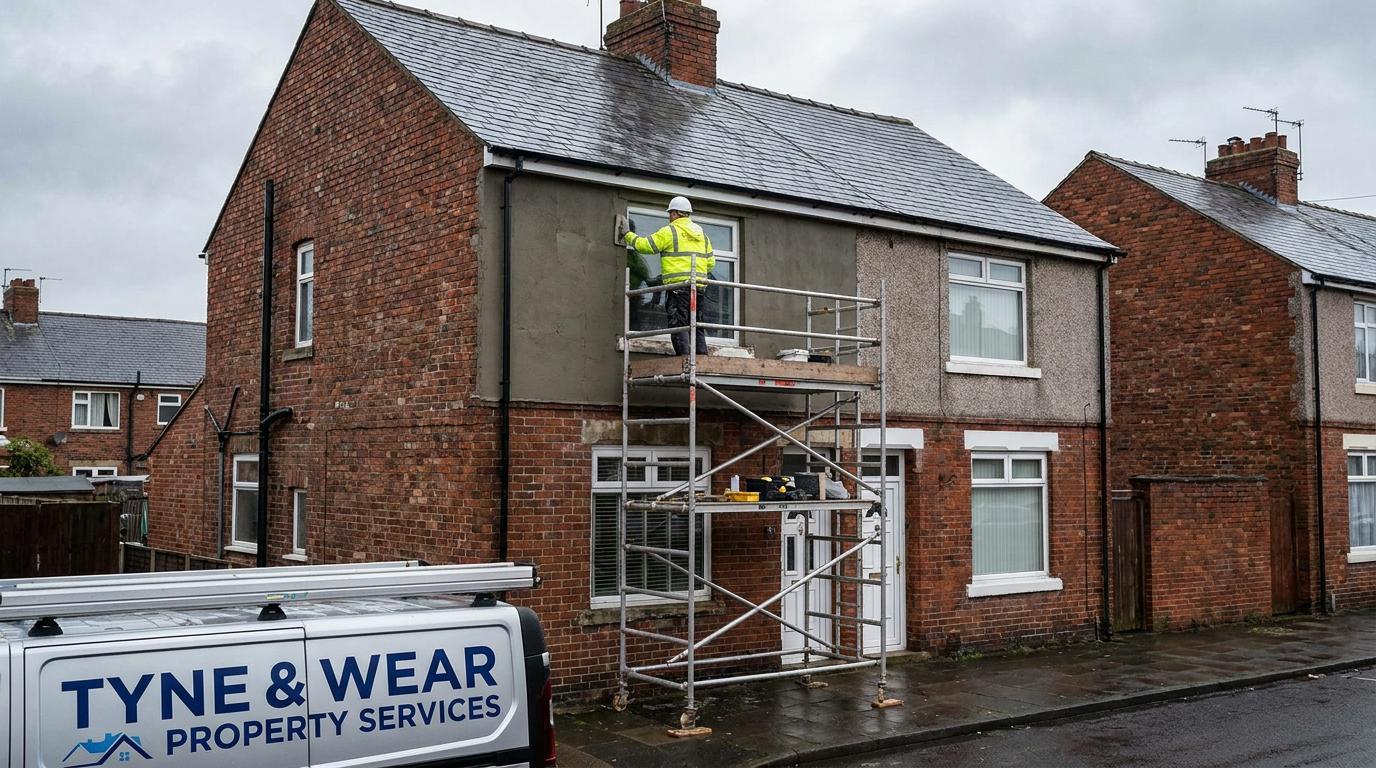
- Structure and exterior — walls, roof, foundations, external drainage and guttering. Section 11 of the Landlord and Tenant Act 1985 requires landlords to keep the structure and exterior in repair.
- Heating and hot water — the heating system and hot water supply must be in working order throughout the tenancy. Gas appliances must have an annual Gas Safe inspection by a registered engineer, with a copy of the Gas Safety Record provided to the tenant.
- Electrical installation — an Electrical Installation Condition Report (EICR) is required every five years for all private rented properties in England. Any remedial work identified as 'unsatisfactory' or 'dangerous' must be carried out within 28 days.
- Smoke and carbon monoxide alarms — a working smoke alarm must be fitted on each floor. A carbon monoxide alarm is required in any room with a solid fuel appliance and strongly recommended (and increasingly required) wherever gas appliances are present.
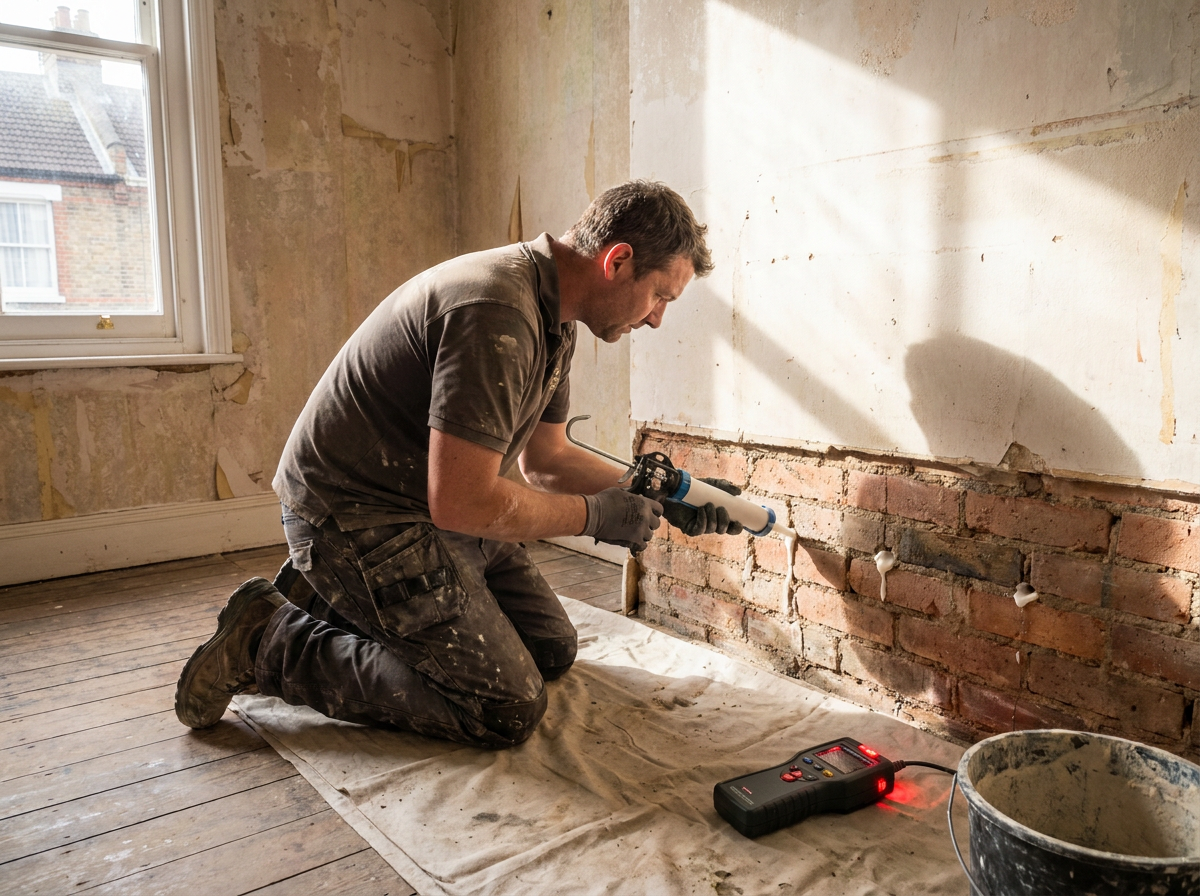
- Damp and mould — landlords must address structural causes of damp. Condensation caused by tenant behaviour is different, but a mould problem caused by a structural defect (penetrating damp, rising damp, failed pointing) is the landlord's responsibility to fix.
Failing to meet these obligations doesn't just put tenants at risk — it exposes landlords to improvement notices, civil penalties up to £30,000, and in serious cases criminal prosecution. The legal risk is significant. The maintenance cost is significantly less.
The most common maintenance jobs in North East rental properties
North East housing stock is predominantly Victorian, Edwardian and inter-war terraced housing, with a significant proportion of 1960s and 1970s semi-detached and flatted properties. This produces predictable, recurring maintenance requirements.
- Roof repairs — lead flashing failures, broken or slipped roof tiles, and ridge tile repointing are routine on older terraced housing. Left unaddressed, minor roof defects allow water ingress that damages ceilings, walls, and timbers — creating much larger repair bills.
- Gutters and downpipes — blocked or broken guttering is one of the most common causes of damp problems in North East rental properties. Annual clearing and inspection costs very little; the damp damage it prevents costs a great deal more.
- Boiler and heating — gas boilers in rental properties often receive harder use and less care than owner-occupied homes. Annual Gas Safe servicing keeps them reliable. When replacement is needed, it's typically unplanned and urgent — plan ahead.
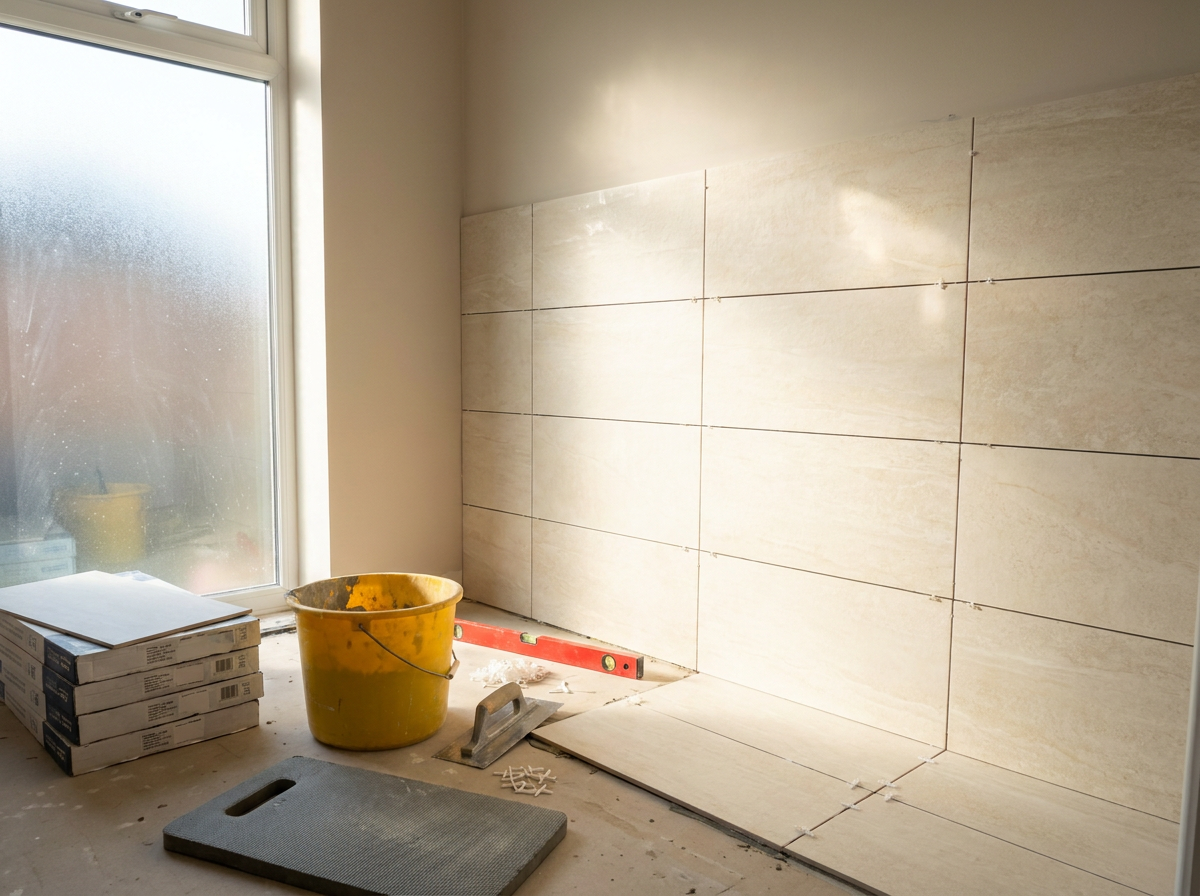
- Bathroom resealing and grouting — shower enclosures and bath surrounds lose their seals within two to three years under normal tenancy use. Failed silicone and grout allows water into the structure. A small sealant job left unattended becomes a tiled wall replacement.
- Plaster and decoration — walls marked, chipped, and scuffed through a tenancy are normal. Skimming and repainting between tenancies is a standard cost to budget for.
- External doors and windows — draughty or damaged door frames, failed window seals, and sticking locks are among the most common repair requests from tenants in older North East housing.
- Damp and condensation — older properties without cavity wall insulation and with limited ventilation are prone to condensation mould, particularly in bathrooms and kitchen areas. Extraction fans, heating upgrades, and improving ventilation address the structural side.
End of tenancy refurbishment — what's typically involved
Most North East landlords carry out some level of refurbishment between tenancies. The extent depends on how long the tenancy ran and the condition of the property at the end of it.
- Full repaint — typically required every two to four tenancies. A fresh coat throughout the property resets the appearance and removes accumulated marks, scuffs and discolouration. Cost for a 3-bed mid-terrace: £800 to £1,800 depending on condition.
- Carpet replacement — carpets have a practical lifespan of three to five years under tenancy use. Full carpet replacement in a 3-bed property: £800 to £1,600 depending on specification.
- Bathroom refresh — resealing, regrout, and replacing badly marked sanitary ware. A full bathroom refresh short of a full renovation: £400 to £1,200.
- Kitchen refresh — replacement of worn worktops, new door fronts, fresh silicone and grout, new tap fittings. A cosmetic kitchen refresh without structural change: £600 to £1,800.
- Full renovation between tenancies — older properties where a more significant refresh is overdue often benefit from a combined programme: bathroom renovation, kitchen update, full redecoration, and flooring replacement. Total cost for a 3-bed mid-terrace: £6,000 to £18,000 depending on specification.
A well-presented, recently refurbished rental property lets faster, commands higher rent, and attracts more reliable tenants. The refurbishment cost typically recovers quickly through reduced void periods and improved rental income.
What to budget for ongoing maintenance
There's no single rule, but a widely used guideline is to budget 1% of the property's value per year for maintenance and repairs. On a £120,000 North East terraced rental property, that's £1,200 per year — a realistic baseline for a property in reasonable condition. The more useful framework is to think in terms of planned and reactive maintenance.
- Planned maintenance — items you know will need doing on a defined cycle: annual Gas Safe inspection (£70–£120), EICR every five years (£150–£300), gutter clearing (£80–£150 per visit), boiler service (included in annual inspection), and a full repaint every 3–5 years.
- Reactive maintenance — unplanned repairs to plumbing, heating, roof, and fabric of the property. Budget a contingency of £500–£1,000 per year for a single property in reasonable condition.
- Major cyclical expenditure — boiler replacement (£1,500–£3,500 every 10–15 years), full bathroom renovation (£3,000–£6,500 every 10–15 years), kitchen renovation (£4,000–£8,000 every 10–15 years), roof works (variable).
Properties purchased in need of renovation often have years of deferred maintenance to address before the ongoing budget figures above apply. Building a realistic picture of the property's condition at the outset — rather than discovering it progressively — lets you plan and budget properly.
Getting work done right — what to look for in a contractor
Using the same reliable contractor for a rental portfolio makes a significant difference to cost and quality over time. Ad hoc, reactive repairs through whichever tradesperson is available create inconsistency, higher costs, and ongoing snagging.
- Gas Safe registration — mandatory for any gas work. Check the register directly at gassaferegister.co.uk before any gas engineer starts work.
- Part P certification — required for notifiable electrical work. Ensure any electrical installation or repair is properly certificated.
- Written scope and fixed price before work starts — essential for managing refurbishment costs. Vague verbal quotes from contractors who start without an agreed price reliably result in inflated final invoices.
- References from other landlords — a contractor who regularly works on rental properties understands the particular requirements: minimising tenant disruption, working to void-period schedules, and producing a finish that's durable under tenancy use rather than showroom-ready.
Thinking about your rental property?
Whether you need a straightforward end of tenancy refresh, a full bathroom renovation between tenants, or a more significant property upgrade, getting a proper assessment and a fixed price upfront is the best starting point. We carry out end of tenancy refurbishments, planned maintenance programmes, and full property renovations for landlords across Newcastle, Durham, Sunderland and the wider North East. All work is scoped in writing and priced before it starts — no surprises on the invoice. Get in touch to arrange a free site visit.